Source Class A Console Air Conditioner for Hotels, Garages, and Commercial Spaces
Find 30 class a console air conditioner models with DC inverter technology and WiFi control. Compare specifications for capacities ranging from under 6000 to 60000 BTU, featuring R32/R410A refrigerants and low noise operation for hotels, garages, and commercial applications.
Key considerations
Products List


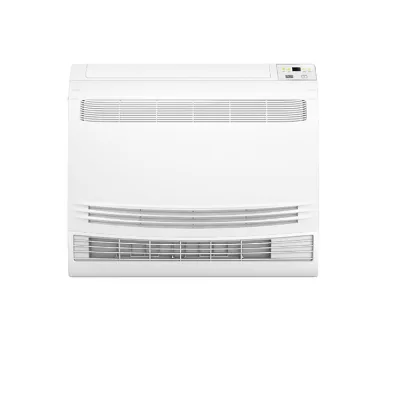


$6000.00 - $20000.00
Moq: 2
Comprehensive Sourcing Guide
Class A Console Air Conditioner Sourcing Guide
Procuring a Class A console air conditioner requires distinguishing between units designed for residential comfort and those engineered for commercial durability. The observed market data indicates a diverse range of capacities, from compact units under 6000 BTU to high-output models exceeding 48000 BTU, necessitating a precise match between facility requirements and unit specifications. Buyers must verify that the selected model supports the intended usage environment, whether it is a hotel suite, a garage, or a general commercial space, as the operational demands vary significantly across these sectors.
The product landscape includes both standard and customizable options, with many suppliers offering OEM branding and specific graphic designs such as 3D printing to align with corporate identity. While some listings highlight advanced features like WiFi control and fast cooling capabilities, others emphasize robust construction with anticorrosion properties and world-famous compressors. It is critical to evaluate whether the specific unit's noise levels, ranging from under 23dB to over 50dB, align with the acoustic requirements of the installation site before committing to a bulk order.
Product Scope and Observed Listing Signals
Buyers should first analyze the capacity range to ensure the unit meets the thermal load of the target room, as observed listings span from less than 6000 BTU up to 60000 BTU. The data shows specific models like the KC-12IR32HF and KCT-36R410AIH, which serve different market segments based on their cooling output. Understanding these distinctions is vital because a unit with insufficient capacity will fail to maintain comfort, while an oversized unit may cycle too frequently, reducing efficiency and increasing wear on the compressor.
Pricing signals in the market vary widely, with observed ranges extending from $103 to $20,000, reflecting differences in technology, capacity, and included features. This variance often correlates with the inclusion of DC inverter technology, which offers superior energy efficiency compared to standard models. Procurement teams must correlate the listed price with the specific feature set, such as the presence of natural ventilation modes or the inclusion of free spare parts, to ensure the commercial value justifies the investment for their specific application needs.
Technical Specifications to Verify
Technical due diligence must begin with the power source and compressor type, as the observed data confirms the prevalence of electrical power sources and world-famous compressors in these units. Buyers need to verify that the unit operates on the correct frequency, typically 50Hz or 60Hz, to match the local grid infrastructure. Additionally, the refrigerant type, often R32 or R410A, must be confirmed to ensure compatibility with environmental regulations and the specific maintenance protocols required for the facility.
The physical dimensions and packing standards are equally critical for logistics planning, with observed specifications ranging from 700x600x215mm to larger industrial units. The standard packing is typically carton-based, with some listings specifying carton standard packing for sea transport to prevent damage during long-haul shipping. Buyers should also check the indoor machine noise levels, which can vary drastically from quiet residential models under 23dB to noisier commercial units, ensuring the selected unit does not disrupt the intended environment.
Compliance and Safety Documentation
Regulatory compliance is a non-negotiable aspect of sourcing, with CE certification appearing frequently in the observed product data. Buyers must request valid certification documents to confirm that the unit meets the safety and electromagnetic compatibility standards required for their target market. In some cases, additional certifications like TUV or RoHS are present, which provide further assurance regarding material safety and environmental impact, particularly for projects in regions with strict import regulations.
Energy efficiency standards also play a pivotal role in the selection process, with some units adhering to China Energy Efficiency Standard Level Condition New. Procurement teams should verify the specific energy rating of the unit to ensure it aligns with local building codes and sustainability goals. Relying on the stated "Top Good Quality" claims without verifying the underlying technical standards can lead to non-compliance issues, so independent verification of the energy efficiency label is essential before finalizing any purchase agreement.
Cost Drivers and Commercial Terms
The total cost of ownership is influenced by several factors beyond the initial unit price, including the Minimum Order Quantity (MOQ) and the complexity of customization. Observed MOQs range from 1 to 1000 units, meaning that small buyers may face higher per-unit costs or limited customization options compared to large-scale purchasers. Buyers should negotiate based on their volume requirements, as higher volumes often unlock better pricing tiers and more flexible terms regarding branding and packaging.
Warranty and after-sales support are significant cost drivers that can mitigate long-term operational risks. The data indicates that many suppliers offer a 3-year warranty along with comprehensive support services such as free spare parts, field maintenance, and onsite installation. Evaluating the scope of these services is crucial, as the availability of overseas call centers and return replacement policies can significantly reduce the financial impact of potential equipment failures or logistical delays in the supply chain.
Supplier Qualification and Quality Control
Supplier qualification should focus on their ability to deliver consistent quality and adhere to the specified production standards. The observed product data highlights the use of core components like compressors, evaporators, and condensers, which are critical to the unit's performance. Buyers must verify that the supplier has a robust quality control process to ensure these components meet the "Top Good Quality" claims and that the final assembly meets the specified dimensions and packing standards.
Customization capabilities are another key indicator of supplier maturity, with many listings offering available customization for branding and design. However, buyers should ensure that the customization process does not compromise the structural integrity or performance of the unit. It is advisable to request samples or detailed technical drawings to confirm that the supplier can execute specific requirements, such as 3D printing logos or adapting the unit for specific working conditions like T1 or T3 environments.
Long-Term Procurement Checks
Establishing a long-term procurement strategy requires a focus on the durability and maintainability of the selected air conditioning units. The observed features, such as anticorrosion properties and DC inverter technology, suggest a design intended for extended service life, but buyers must verify these claims through independent testing or reference checks. Ensuring that the unit can withstand the specific working conditions of the installation site is essential for minimizing downtime and maintenance costs over the product's lifespan.
Finally, the availability of spare parts and the responsiveness of the after-sales service network are critical for long-term operational continuity. The data shows that many suppliers provide free spare parts and field maintenance, but buyers should confirm the lead times for these services and the geographic coverage of their support teams. A reliable supply chain for replacement components and a responsive technical support team are indispensable for maintaining the efficiency and reliability of the Class A console air conditioner fleet over many years.
FAQs
What certifications do these class a console air conditioners hold?
These units hold CE, TUV, and RoHS certifications, ensuring compliance with international safety and environmental standards. This allows for broader market access and regulatory approval in various regions. Buyers can verify these credentials to ensure the products meet specific local import requirements and quality benchmarks for commercial and residential use.
Can I customize the logo and design on the unit?
Yes, customization is available for logos and graphic designs, including 3D printing options. This allows brands to maintain their visual identity on the hardware. Buyers can request specific design integrations to align with their corporate branding, ensuring the final product reflects their unique market positioning and aesthetic preferences.
What is the noise level of the indoor machine?
The indoor machine noise is reported as low, with specific models indicating levels under 23dB. This ensures quiet operation suitable for bedrooms, offices, and hotels. Buyers seeking silent environments can rely on these specifications to maintain comfort without disruptive background noise from the cooling or heating systems during operation.
Which compressor types are used in these air conditioners?
These units utilize world-famous brand compressors, ensuring reliable performance and longevity. The core components include high-quality compressors, evaporators, and condensers. This selection supports efficient cooling and heating cycles, providing buyers with durable equipment that maintains consistent performance over time while minimizing maintenance requirements for commercial and household applications.
What is the warranty period for these console air conditioners?
The warranty period is typically three years, covering major components and workmanship. This provides buyers with long-term protection and peace of mind regarding product reliability. The warranty supports the investment by ensuring that any manufacturing defects or performance issues are addressed within the specified timeframe, enhancing overall value and trust in the supplier.
How is the product packed for shipping?
The products are packed in carton packaging, with some options for standard sea freight packing. This ensures safe transit and protection against damage during international shipping. Buyers can expect robust packaging solutions that maintain product integrity, facilitating efficient logistics and reducing the risk of damage upon arrival at the destination port or warehouse.